Shifted early warning from centralized alerts to a community-led model of action
Case Study
Selected Work
Flood Risk Mitigation in Eastern Uganda
Led the design of a community-driven flood risk mitigation strategy, from field research to intervention design and toolkit development.
Role
Service Designer
Sector
Community engagement | Climate | Research
Scope
Field research | Service design | Systems mapping | Community engagement
Stakeholders


Visualisation of Namabasa Village in Mbale, Eastern Uganda
Context
Flooding is a recurring crisis in Eastern Uganda, displacing thousands of people annually. While early warning systems exist, response often depends on delayed external intervention, leaving communities vulnerable during the most critical moments.
This project was conducted as part of MSc Strategic Product Design (TU Delft), in collaboration with Fields Data and the Ugandan Red Cross Society.
Impact
Designed a system that builds trust and enables diverse community members to participate in early warning response
Created a structured, repeatable approach for NGOs to implement similar programs
Translated the system into a scalable toolkit for adaptation across regions
Process
Background Research
- Desk research
- Expert interviews
Field Research
- In-depth interview
- Focus group discussion
- Futures backcasting
- Field observation
Prototyping
- Service blueprint
- Creative workshop facilitation
- Co-creation
Replication Approach
- Iterative design
Interventions
1. Shifting early warning from alerts to coordinated action
I mapped the broader system shaping flood risk in Eastern Uganda, spanning governance structures, NGO interventions, and community responses. This revealed a critical gap between early signals and timely action: although warnings often exist, responses are delayed, while bottom-up community action tends to be fastest and most effective due to local proximity and knowledge.
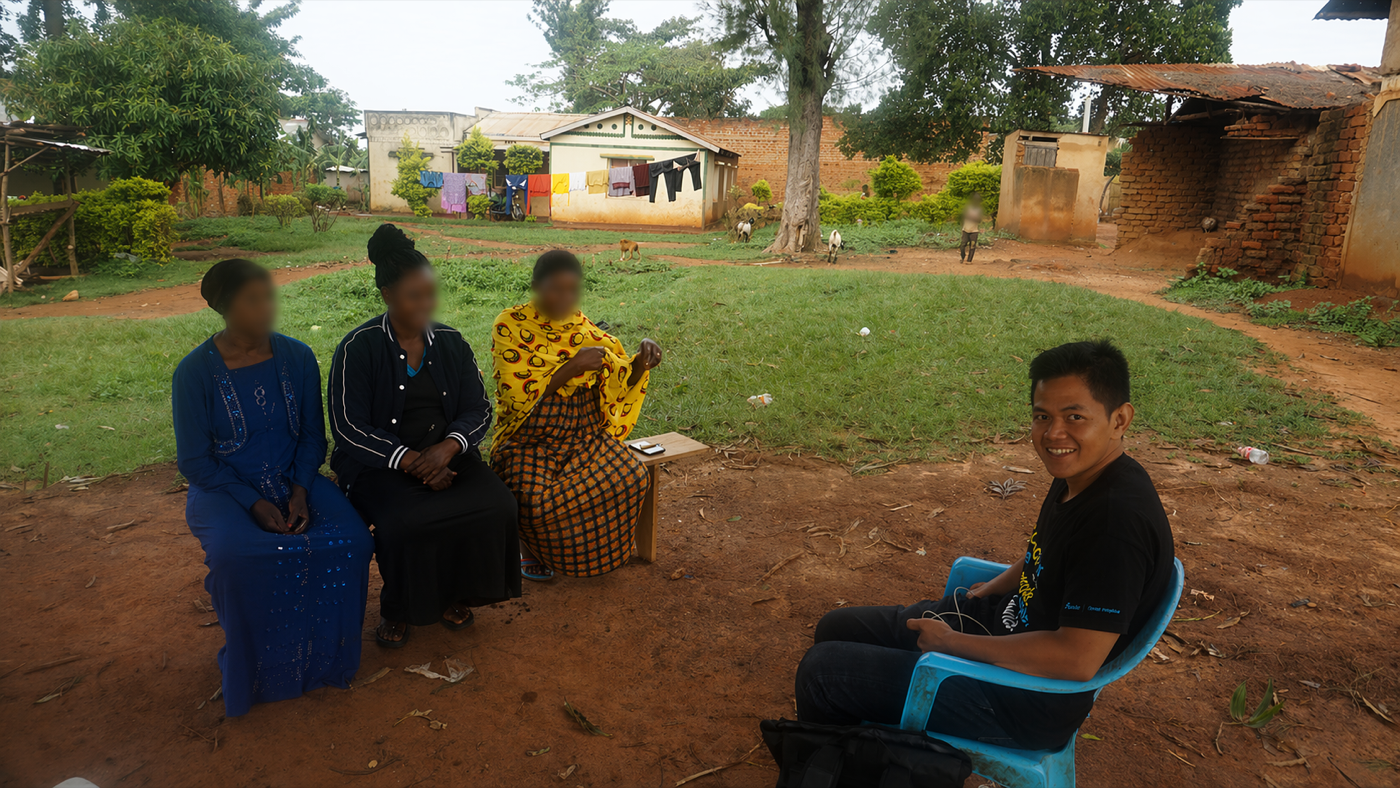
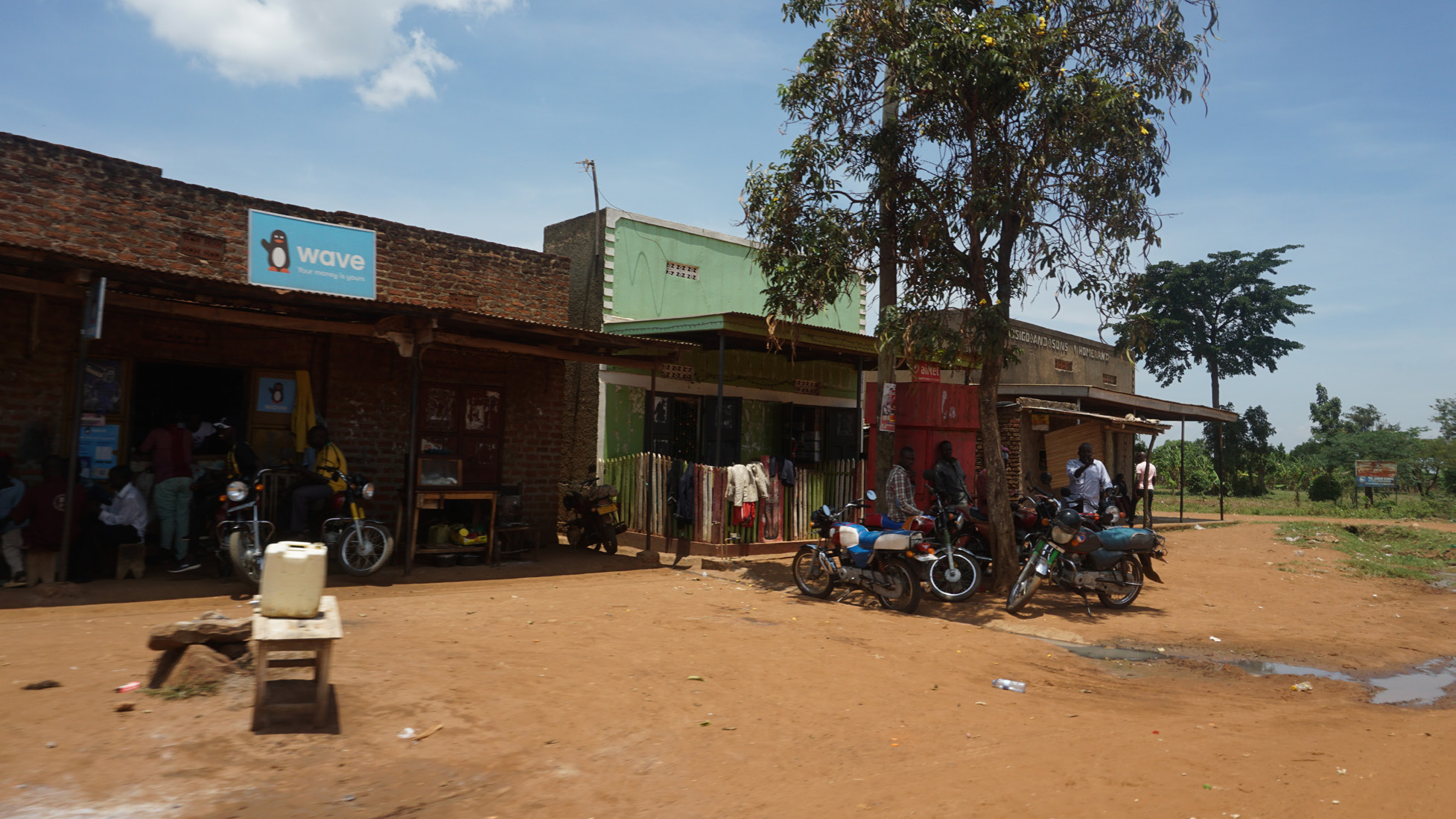
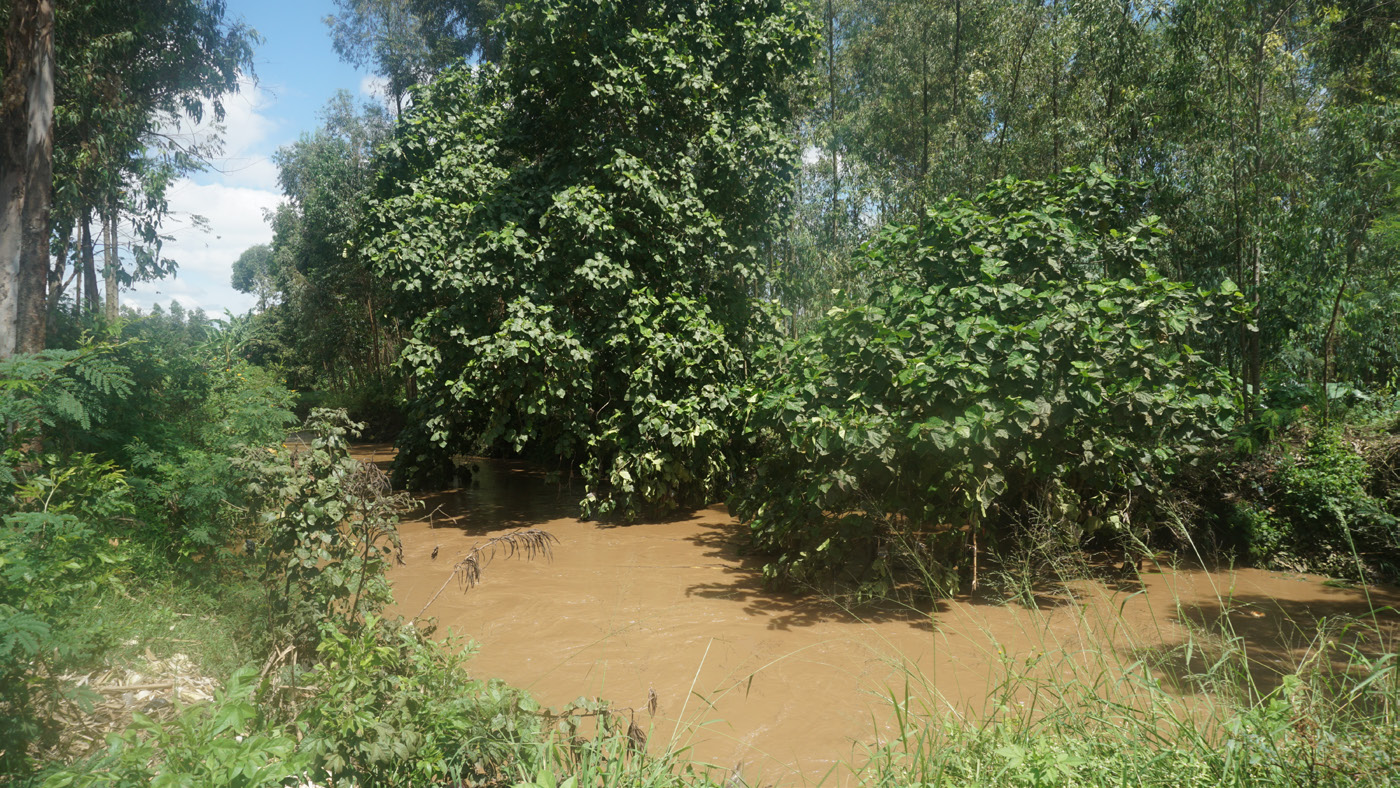
Field research in Mbale validated these insights. Recurrent flooding in the Bugisu sub-region, driven by rainfall around Mount Elgon, regularly submerges homes for days. I found low trust in government systems, limited embedded preparedness, but a clear willingness to engage in externally initiated programs, particularly through the Red Cross. Immediate survivability emerged as the most critical challenge, with unsafe evacuations and inadequate shelters increasing risk.
Based on this, I reframed early warning from a system of alerts into one of coordinated action. I focused on a community-driven approach led by the local Red Cross, enabling collective, independent response during the moment of evacuation. The intervention was grounded in Namabasa, where low-lying settlements rely on a nearby school on higher ground as the primary safe point, and designed around key conditions for action: trust, clear roles, coordination, and local relevance.



2. Designing a community-based early warning and action system
Through participatory methods with local organizations and village representatives in Namabasa, Mbale, I co-designed a system that enables communities to act collectively before, during, and after flood events, grounded in real conditions observed in the field.
This included:
- Locally defined triggers for anticipatory action
- Clear roles and responsibilities within the community
- Pre-aligned evacuation routes and safe locations
- Simple communication structures to coordinate response

Used this diagram to communicate the importance of early warning and early action strategies to local NGOs.

Example service blueprint of the intervention design
3. Enabling scale through a replicable toolkit
To extend the approach beyond a single community, I translated the system into a structured toolkit for NGOs.
The toolkit includes:
- Role-specific manuals for organizations and field facilitators
- Templates for research, stakeholder mapping, and program design
- A blueprint framework to guide local adaptation
This enables NGOs to replicate and adapt the system across different regions while maintaining local relevance.


Outlines of both manuals, illustrating an end-to-end framework for designing and implementing an early warning and early action system in Uganda.